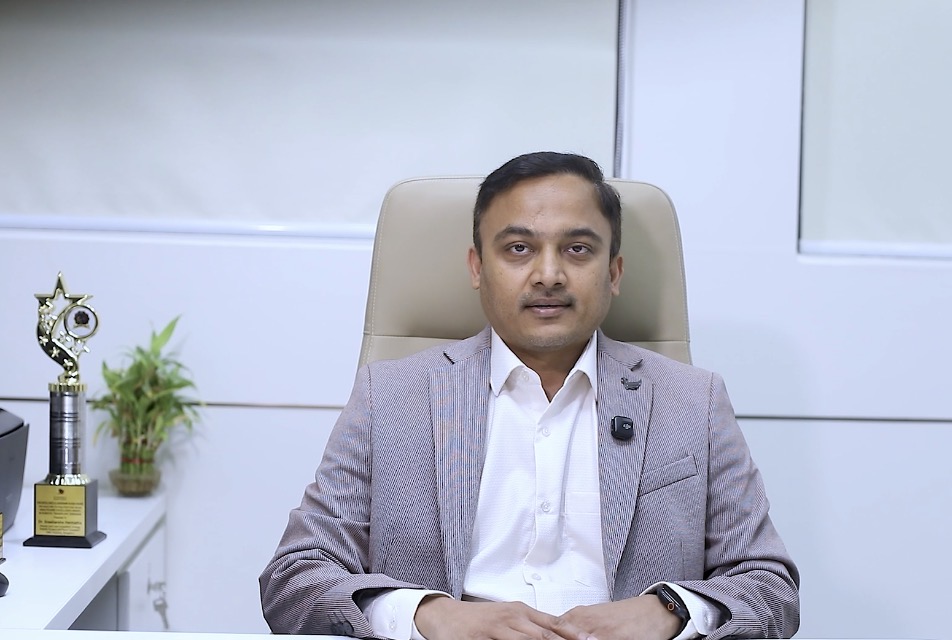
Dr. Sreeharsha Harinatha provides specialist evaluation and surgical care for urological cancers at Apollo Hospitals, Bannerghatta Road and Jayanagar, Bengaluru. Treatment is planned around the cancer type, stage, general health and your priorities.
Options may include active surveillance, surgery, radiotherapy and systemic treatment, depending on risk and stage. Robotic radical prostatectomy is considered for suitable patients. Nerve-sparing is assessed individually, and urinary and sexual-function outcomes are discussed before treatment.
Kidney-sparing surgery (partial nephrectomy) may be suitable for selected tumours. When preserving the kidney is not appropriate, radical nephrectomy may be considered. The tumour’s size, location, scan findings and kidney function guide the decision.
Care may involve TURBT, bladder treatments, surveillance, bladder-preserving treatment or radical cystectomy, depending on the diagnosis and stage. If bladder removal is advised, urinary diversion options—including an ileal conduit or a neobladder for suitable patients—are discussed beforehand.
Minimally invasive approaches are available for selected operations. The surgical approach is chosen to suit the clinical situation; no approach guarantees a particular cancer outcome or recovery time.
Bring biopsy and histopathology reports, scan images and reports, previous treatment records, blood tests and a list of medicines. Your consultation will address the diagnosis, treatment alternatives, expected benefits, risks and follow-up. Input from other cancer specialists may be needed.
Review schedules and investigations depend on the cancer, treatment and final pathology. Your team will explain surveillance and how to seek advice about new symptoms.
Patient guides on uro-oncology surgery: laparo radical prostatectomy · open cystectomy
At a glance
Uro-oncology is the treatment of cancers of the prostate, kidney, bladder, testis and upper urinary tract. Dr Sreeharsha Harinatha, a uro-oncologist in Bangalore, offers evaluation and cancer surgery – including robotic and laparoscopic radical prostatectomy, partial or radical nephrectomy and radical cystectomy – at Apollo Hospitals, Bannerghatta Road and Jayanagar.
No. Depending on the diagnosis and stage, monitoring, radiotherapy, medicines or combined treatment may be appropriate. Your options will be explained at consultation.
No. Suitability depends on the cancer, anatomy, health and operation required. Open or other approaches may be more appropriate in some cases.
Preservation is an important part of planning where feasible. Outcomes vary, and nerve-sparing or reconstruction may not be suitable for every patient.
Please bring scan images and reports, biopsy results, previous treatment details and your current medicine list.
Contact the patient coordinator on +91 87929 66592 or use the appointment button. Consultations are at Apollo Hospitals, Bannerghatta Road and Jayanagar, Bengaluru.
Laparoscopic (laparo) radical prostatectomy removes the prostate and seminal vesicles through small keyhole incisions to treat localised prostate cancer. The robotic-assisted version adds magnified 3D vision and wristed instruments that help with nerve sparing and recovery of urinary control.
Radical cystectomy is recommended for muscle-invasive bladder cancer and for some high-risk non-muscle-invasive cancers that do not respond to BCG treatment. It can be performed as open cystectomy or robotic cystectomy; the approach depends on cancer stage, previous surgery and overall fitness.
Blood in the urine (even once and painless), a raised PSA, difficulty passing urine, a lump in the testis or a kidney mass found on a scan should be evaluated by a urologist without delay.