For appointments and enquiries, please contact our patient coordinator.
Consult Dr. Sreeharsha Harinatha at Apollo Hospitals, Bannerghatta Road and Jayanagar, Bengaluru.
Patient coordinator: +91 87929 66592.
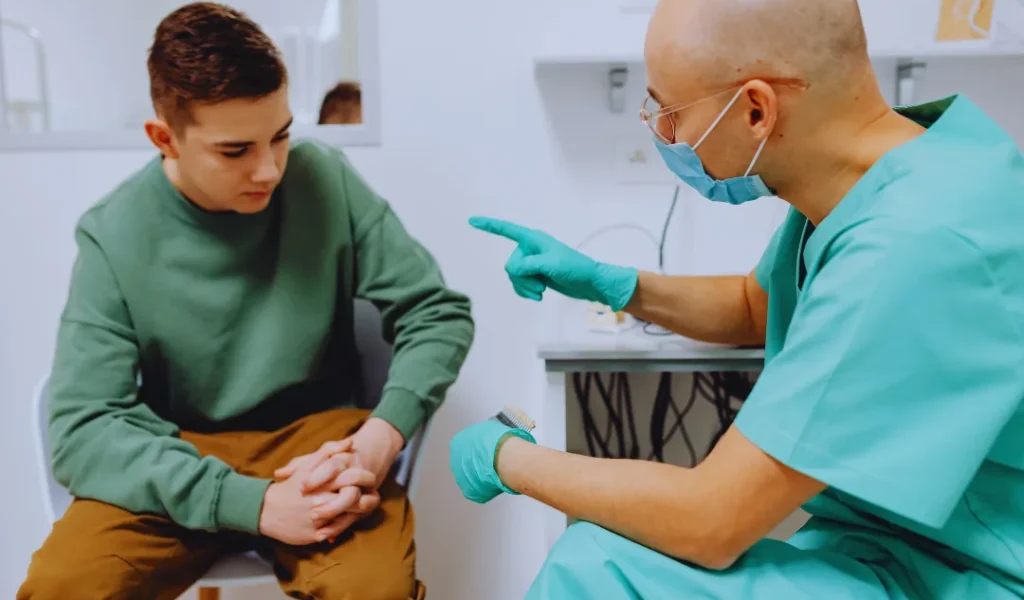
Endourology represents the frontier of modern urological care. Unlike traditional “open” surgery, Endourology uses small cameras (endoscopes) and specialized instruments inserted through the body’s natural urinary tract or tiny incisions.
Dr. Sreeharsha Harinatha provides individualized endourological care at Apollo Hospitals, Bannerghatta Road and Jayanagar, Bengaluru, with 17+ years of experience. Treatment is selected after reviewing symptoms, imaging, infection risk and general health. Bleeding, infection and the need for further treatment remain possible.
TURP removes obstructing prostate tissue using an electrical loop. Laser enucleation or vaporization are different techniques that may be suitable alternatives. The choice depends on prostate size, symptoms, other illnesses and the benefits and risks discussed during consultation.
RIRS is a major breakthrough in kidney stone management. It involves passing a highly flexible ureteroscope through the urethra, up the ureter, and directly into the kidney’s small chambers.
For very large or complex “staghorn” stones that cannot be managed by RIRS, PCNL is the preferred choice.
URS is typically used for stones lodged in the ureter (the tube connecting the kidney to the bladder).
TURBT is the critical first step in both diagnosing and treating bladder cancer.
Patient guides on kidney stones and endourology: kidney stones treatment · surgery for kidney stones · surgical removal of kidney stones · laser surgery for kidney stones · endourology surgery
At a glance
Endourology treats kidney stones and prostate enlargement through natural passages using telescopes and lasers, without large cuts. Options include URS and RIRS (laser surgery for kidney stones), PCNL for large stones, and TURP or laser prostate surgery. Most patients go home within 24–48 hours.
Anaesthesia is used during surgery. Afterwards, discomfort, burning or stent-related symptoms can occur. Pain control and recovery instructions depend on the procedure.
Hospital stay and return to work vary with the operation and your health. Your surgeon will advise on exercise, lifting and follow-up.
A catheter, ureteric stent or kidney drainage tube may be needed. The team will explain its purpose and arrange removal or review.
Suitability depends on health, anaesthetic assessment and expected benefit rather than age alone. Medicines and bleeding or infection risks are reviewed.
A DJ stent is a temporary tube in the ureter that supports drainage. It can cause frequency, pain or blood in urine. Follow the planned removal date; seek urgent help for fever, worsening pain or inability to urinate.
It depends on the stone's size, location and hardness. Stones under 5 mm often pass with fluids and medicines. Stones up to about 2 cm are usually treated with RIRS or URS using a laser, and larger or staghorn stones with PCNL. Shock-wave lithotripsy (ESWL) suits selected small kidney stones.
No. RIRS and URS are done under spinal or general anaesthesia, with no skin incision. Mild discomfort or burning while passing urine for a few days is common, especially if a temporary DJ stent is placed.
Surgery is advised when a stone is larger than about 6–8 mm, blocks the kidney, causes infection or uncontrolled pain, or fails to pass within 4–6 weeks. Infection with a blocked kidney is an emergency and needs urgent drainage.