
Quick answer
Laparoscopic (laparo) radical prostatectomy is keyhole surgery to remove the whole prostate and seminal vesicles for localised prostate cancer. Hospital stay is usually 2–4 days and the catheter stays for about 7–10 days. Robotic-assisted prostatectomy is an advanced form that offers greater precision for nerve sparing and continence recovery.
Here are some important points to remember about laparo radical prostatectomy. This surgery is a common and effective way to treat prostate cancer, especially when caught early. Modern techniques have made it safer and recovery smoother for many.
Laparo radical prostatectomy is a surgical procedure to remove the entire prostate gland. It’s most often performed to treat prostate cancer that hasn’t spread outside the gland. The "laparo" part means it’s done using a minimally invasive technique, typically involving several small cuts instead of one large one. Through these small openings, a surgeon uses a scope with a camera and specialized instruments to perform the operation. Sometimes, nearby lymph nodes are also removed during this surgery.
The main reason for a laparo radical prostatectomy is to treat localized prostate cancer. When cancer is confined to the prostate, removing the gland can be a curative option. It’s a significant step in managing the disease, aiming to eliminate the cancerous cells entirely. The goal is to get rid of the cancer while trying to preserve as much function as possible.
Not everyone with prostate cancer is a candidate for this specific surgery. Generally, it’s recommended for men whose cancer is detected early and appears to be contained within the prostate gland. Factors like your overall health, age, and the specific characteristics of your cancer (like its grade and stage) are all considered. Your doctor will discuss if this procedure is the right choice for your situation. It’s important to have a thorough discussion about your options, as there are different approaches to treating prostate cancer, and minimally invasive surgery might not be suitable for every case.
Deciding on surgery is a big step. It’s vital to have a clear picture of why it’s being recommended for you and what the expected outcomes are. Don’t hesitate to ask your doctor all the questions you have, no matter how small they seem. Understanding the ‘why’ behind the ‘what’ makes a huge difference in how you feel about the process.
Here’s a quick look at who might be considered:
So, how exactly does a laparo radical prostatectomy go down? It’s a pretty involved process, but the main idea is to remove the entire prostate gland. This is usually done because of prostate cancer that hasn’t spread too far. The surgeon makes a few small cuts, typically in your lower belly. Through these tiny openings, they insert a special camera, called a laparoscope, and other surgical tools. This camera gives a clear, magnified view of the area, letting the surgeon work with precision. The goal is to get all the cancerous cells while sparing as much healthy tissue and nerves as possible.
When we talk about removing the prostate, there are a couple of main ways to do it: minimally invasive and open surgery. Minimally invasive surgery, like the laparoscopic approach we’re discussing, uses those small incisions and specialized tools. This generally means less pain, shorter hospital stays, and a quicker return to normal activities compared to open surgery. Open surgery, on the other hand, involves a larger incision and is sometimes used for more complex cases or when cancer has spread locally. For many patients, the minimally invasive route is the preferred option.
Often, when people hear about laparoscopic prostatectomy, they also hear about robotic assistance. It’s important to know that the robot doesn’t perform the surgery on its own. Instead, the surgeon sits at a console and controls robotic arms that hold the surgical instruments. Think of it as a super-advanced set of tools that give the surgeon even greater control and dexterity. This technology can be really helpful for delicate maneuvers, especially around the nerves that control urinary and sexual function. While the robot is a sophisticated piece of equipment, the surgeon’s skill and experience are still the most important factors in a successful outcome. Many surgeons find that using robotic assistance helps them perform this complex procedure with a high degree of accuracy. If you’re curious about the different surgical approaches, talking to your doctor about which method is best for you is a good idea.
Here’s a quick look at the differences:
| Feature | Minimally Invasive (Laparoscopic/Robotic) | Open Surgery |
|---|---|---|
| Incisions | Several small cuts | One larger incision |
| Recovery Time | Generally shorter | Generally longer |
| Hospital Stay | Often shorter | Often longer |
| Scarring | Less noticeable | More noticeable |
It’s worth noting that even with minimally invasive techniques, there can be some discomfort. For instance, some patients experience shoulder pain for a day or two after the surgery. This is usually due to the gas used to inflate the abdomen during the procedure, which can irritate the diaphragm. Your doctor will provide pain management options to help with this and any other discomfort you might feel.
Getting ready for a laparo radical prostatectomy involves a few key steps to make sure everything goes as smoothly as possible. It’s all about being informed and prepared, so you know what to expect before, during, and after the procedure.
Before your surgery date, you’ll have a pre-operative appointment. This is your chance to talk with your surgeon and the medical team. They’ll go over your medical history, explain the surgery in detail, and answer any questions you might have. You’ll likely undergo some tests, such as blood work and possibly an electrocardiogram (EKG), to make sure you’re healthy enough for the operation. It’s really important to be open and honest about your health, including any medications you’re taking, allergies, or previous surgeries.
Here’s a general idea of what happens leading up to the surgery:
Don’t hesitate to ask questions! It’s your body and your health. Here are some things you might want to discuss:
Your surgical team will provide you with specific instructions to follow in the days and weeks before your surgery. These are designed to prepare your body and reduce the risk of complications. Typically, you’ll be asked not to eat or drink anything after midnight on the night before your surgery. You may also need to adjust certain medications, especially blood thinners. It’s also a good idea to arrange for someone to drive you home after you’re discharged and to help you out at home for the first few days. You might want to prepare your home by stocking up on groceries and setting up a comfortable recovery space. For those looking into advanced urological care, understanding the benefits of minimally invasive techniques can be helpful, as they often lead to a faster recovery.
Following all pre-operative instructions carefully is a key part of setting yourself up for a successful surgery and a smoother recovery. Don’t guess if you’re unsure; always ask your care team for clarification.
So, you’ve had your laparo radical prostatectomy. Now what? The recovery period is a really important part of the whole process, and understanding what to expect can make a big difference. It’s not just about healing physically, but also getting back to your normal routines and managing any changes that might come up.
Right after surgery, you’ll likely feel groggy from the anesthesia. You might notice some bruising and swelling, especially around the incision sites and possibly in your genital area. This is totally normal. Some men also experience shoulder pain for a day or two; this is usually due to the gas used to inflate your abdomen during the procedure. Your medical team will be there to manage any discomfort with pain medication.
Pain management is a priority. You’ll be given medication to help keep you comfortable. For swelling, especially in the penis and scrotum, it usually peaks within the first week and gradually subsides over the next couple of weeks. Gentle movement, as advised by your doctor, can help with circulation and reduce swelling.
For a period after surgery, you’ll have a urinary catheter in place. This tube drains urine from your bladder, allowing the surgical area to heal without constant irritation. It’s common to feel some bladder cramping or spasms while the catheter is in; your doctor can prescribe medication to ease this. Removing the catheter is a big step, but it’s just the beginning of regaining bladder control. It can take several weeks, or even longer, for full urinary continence to return. Don’t get discouraged if you experience leaks initially; this is a common part of the healing process. Many men find that pelvic floor exercises, often called Kegels, can significantly help speed up recovery. You can learn more about these exercises from your healthcare provider.
The journey back to full recovery is a marathon, not a sprint. Be patient with your body and celebrate the small victories along the way. Open communication with your medical team about any concerns is key to a smoother recovery.
When you’re considering laparo radical prostatectomy, it’s normal to have questions and maybe even a few worries about what could happen after surgery. Being informed helps you prepare for the journey ahead. Let’s walk through the typical side effects and possible complications you might face.
After surgery, one of the main issues men face is trouble controlling urine. Temporary urinary leakage is common, especially right after the catheter comes out. For most, this gets better in the weeks or months following the operation. However, a small percentage will have ongoing stress incontinence—leaking a little urine when you cough, laugh, or lift something heavy.
What can help you regain control?
Regaining urinary control can take time, but most people see steady improvement with persistence and the right support.
For a more detailed look at this and other common risks, you might check out potential prostate surgery complications.
The prostate sits close to nerves needed for erections. Surgery can sometimes injure them, which means it may be tough to get or keep an erection for a while after the procedure. Depending on your age, health, and how much cancer there was, sexual function might:
Some ways to encourage sexual health post-surgery include:
It’s important to set realistic expectations and work with a supportive doctor, such as urology consultations offered by experienced professionals.
The likelihood of side effects goes down when your surgeon has a lot of experience with this specific surgery. Here’s why:
| Factor | Impact on Outcome |
|---|---|
| Surgeon experience | Lower complication rates |
| Use of modern technology | Better nerve protection |
| Advanced imaging & planning | Fewer accidental injuries |
Always ask your doctor about their experience and how many similar surgeries they perform each year. Choosing a skilled and reliable team makes a real difference to recovery and your overall quality of life.
If you’re worried about complications, don’t hesitate to talk with your doctor. They can give you guidance tailored to your specific situation and health history.
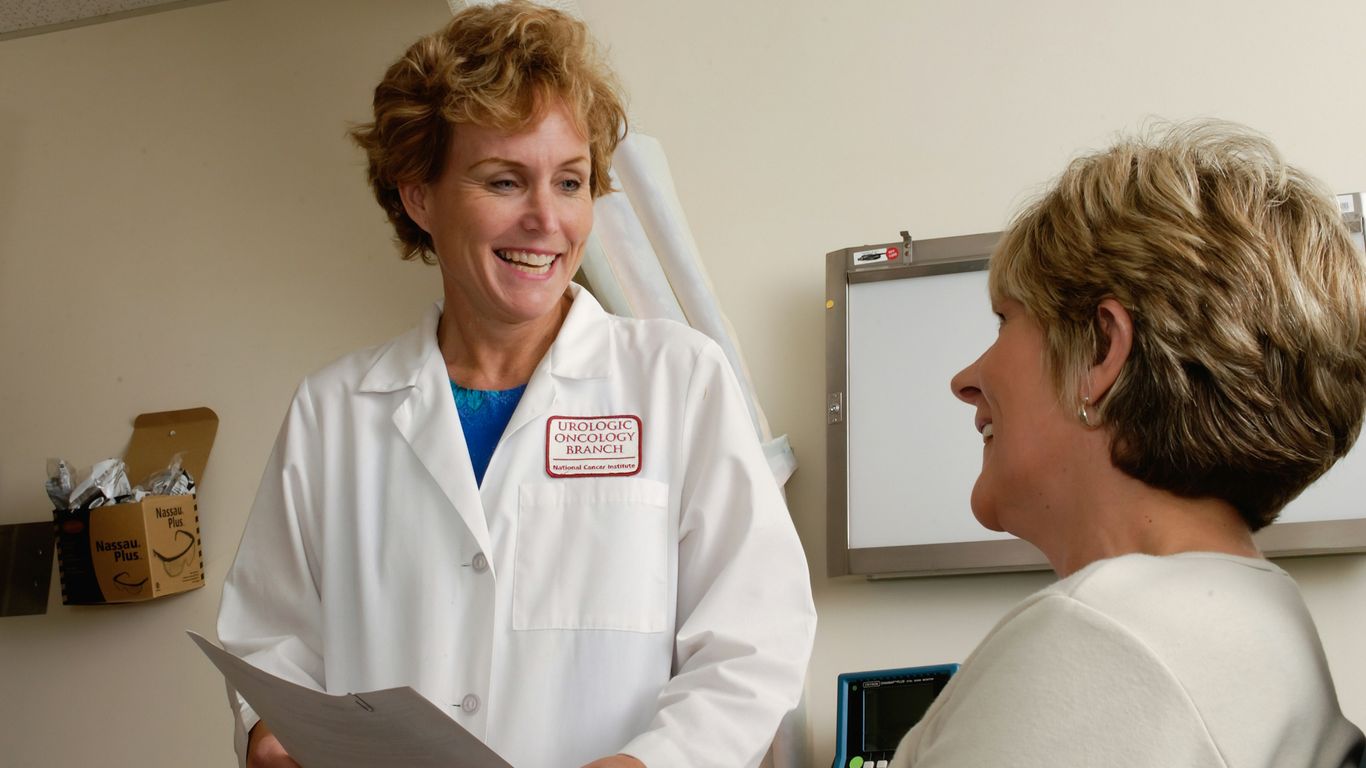
So, you’ve had your laparo radical prostatectomy. What happens next? It’s totally normal to wonder about what life looks like after the surgery, especially when it comes to things like staying dry and, well, other important functions. The good news is that recovery is a process, and most guys see significant improvements over time. Your follow-up care is just as important as the surgery itself.
This is often the first thing people ask about. After the urinary catheter is removed, it can take a while for your bladder and the surrounding muscles to get back to normal. We’re talking weeks, sometimes a few months. It’s not uncommon to experience some leakage, especially when you cough, laugh, or sneeze. This is called stress incontinence.
Remember, you’re not alone in this. Many men go through this recovery, and there’s a lot of support and effective treatments available.
This can be a sensitive topic, but it’s a big part of recovery for many. The nerves that control erections run very close to the prostate, and sometimes they can be affected during surgery. The ability to get an erection before surgery, the exact location of the cancer, and the surgeon’s skill all play a role in how quickly and fully sexual function returns. Some men regain function within months, while for others, it can take a year or more. There are options available, including medications like Viagra or Cialis, and other therapies, to help. It’s worth discussing your concerns openly with your doctor. For those worried about fertility, discussing sperm banking before surgery is a good idea.
After surgery, your PSA (Prostate-Specific Antigen) levels should drop significantly, ideally to undetectable levels. Regular blood tests to monitor your PSA are a key part of your follow-up. This helps your medical team keep an eye on whether the cancer has been completely removed or if it shows any signs of returning. These tests are usually more frequent in the first few years after surgery and then become less frequent. Consistent monitoring is your best bet for catching any issues early. You can find experienced urologists who specialize in this area, like those at MSK’s Urology Cancer Care.
While recovery is generally positive, it’s always good to know when to reach out. Don’t hesitate to call your doctor if you experience:
Staying in touch with your healthcare team, including specialists like Dr. Sreeharsha Harinatha, ensures you get the best possible care throughout your recovery and beyond.
Laparo radical prostatectomy is a significant procedure for treating prostate cancer, and understanding each step can help ease concerns. While the recovery involves managing potential side effects like incontinence and erectile dysfunction, advancements in surgical techniques and dedicated follow-up care offer good prospects for regaining function and monitoring your health. Always discuss your specific situation and expectations with your surgeon to make informed decisions about your treatment and recovery journey.
Think of it as a surgery to take out your prostate gland. ‘Laparo’ means it’s done using small cuts and a tiny camera, kind of like keyhole surgery. ‘Radical’ means they remove the whole prostate and sometimes nearby tissues too. It’s usually done when there’s prostate cancer that hasn’t spread too far.
The main reason is to treat prostate cancer. If the cancer is contained within the prostate, removing it can often get rid of the cancer completely. It’s a way to try and cure the cancer.
In open surgery, there’s one larger cut. Laparoscopic surgery uses several small cuts. This usually means less pain, less blood loss, and a quicker return to normal activities compared to open surgery. Robotic surgery is a type of laparoscopic surgery where the surgeon controls robot arms.
You’ll likely feel some pain and might notice swelling, especially around your belly and private areas. You’ll have a tube called a catheter to help drain urine from your bladder. Some people get shoulder pain from the gas used during surgery, but it usually goes away quickly.
Recovery is a process. You’ll have the catheter for a week or two. Getting full control of your bladder might take several weeks. Regaining sexual function can take longer, sometimes up to six months or more. Most people can go back to work in about 3 to 5 weeks, but full recovery takes longer.
The biggest concerns are usually problems with controlling your pee (incontinence) and getting an erection (erectile dysfunction). It’s also important to keep up with doctor’s appointments and blood tests, especially to check your PSA levels, which can show if the cancer is coming back. Your doctor will guide you through all of this.
Related guides: open cystectomy · urinary specialist doctor
About the specialist: Dr Sreeharsha Harinatha – MBBS, MS (General Surgery), MCh (Urology), Diploma in Robotic Surgery (France) – is a Senior Consultant in Urology, Uro-Oncology, Robotic Surgery and Renal Transplantation at Apollo Hospitals, Bannerghatta Road and Jayanagar, Bengaluru, with 17+ years of experience. Karnataka Medical Council Reg. No. KMC72009.
Related care: Robotic & Laparoscopic Uro-Oncology · Book an appointment · Call / WhatsApp +91 87929 66592
Last updated: 24 October 2026. This article is general information and does not replace a personal consultation.