Lorem ipsum dolor sit amet, consectetur adipiscing elit. Ut elit tellus.
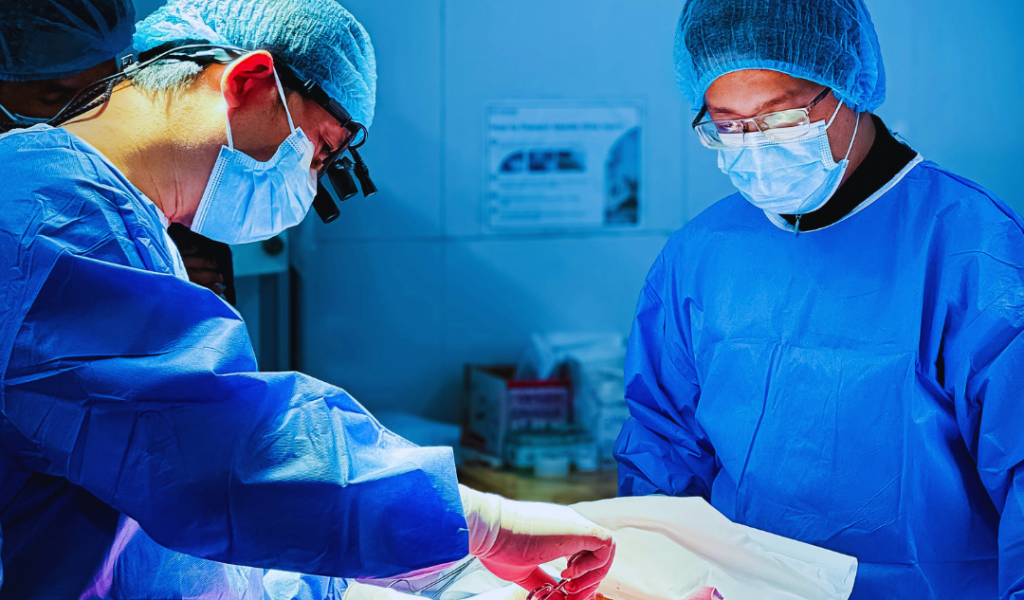
Renal transplantation is widely considered the gold standard for treating End-Stage Renal Disease (ESRD) and chronic kidney failure. Under the leadership of Dr. Sreeharsha Harinatha, Director and Lead Consultant in Robotic Surgery and Renal Transplantation, our program in Bengaluru offers a “fresh lease on life” through world-class surgical precision and compassionate care.
With over 250 successful kidney transplants and a specialized focus on Robotic-Assisted Kidney Transplantation (RAKT), Dr. Sreeharsha provides patients with advanced surgical options that prioritize safety, rapid recovery, and long-term graft success.
For patients suffering from kidney failure, a transplant is more than a medical procedure; it is a path to freedom from the constraints of dialysis.
Being a kidney donor is a profound act of altruism. Our surgical team ensures the donor’s safety is the highest priority.
Dr. Sreeharsha utilizes Minimally Invasive Donor Nephrectomy, often using the Da Vinci Xi Robotic system. Unlike traditional open surgery, this approach requires only 3–4 tiny incisions.
As an official Proctor for Intuitive Surgicals, Dr. Sreeharsha Harinatha is a pioneer in Robot-Assisted Kidney Transplantation (RAKT). This technique is particularly beneficial for complex cases or patients with a higher BMI.
Feature | Traditional Open Transplant | Robotic-Assisted (RAKT) |
Incision Size | 6–10 inches | 2-inch keyhole incision |
Blood Loss | Moderate | Minimal |
Infection Risk | Higher due to large wound | Extremely Low |
Recovery Time | 6–8 weeks | 3–4 weeks |
Precision | Manual | 3D High-Definition & Robotic stability |
Success starts long before the operating room. Our multi-disciplinary evaluation includes:
Financial & Legal Guidance: Full support in complying with the Transplantation of Human Organs Act (THOA) regulations.
The remaining kidney compensates by increasing its capacity. Most donors live a full, active life with no change in life expectancy. Regular follow-ups ensure long-term health.
Typically, the recipient surgery takes 3 to 4 hours. The donor surgery usually takes about 2 to 3 hours.
Like any major surgery, risks include bleeding or infection. Specific to transplants, there is a risk of organ rejection or delayed graft function. Dr. Sreeharsha’s use of robotic technology significantly minimizes these surgical complications.
Recipients must take immunosuppressants daily to prevent the body's immune system from attacking the new kidney. Consistent medication adherence is the most important factor in the kidney’s longevity.
Donors can often return to desk jobs within 2 weeks. Recipients usually require 6 to 8 weeks to recover fully, depending on the surgical approach (Robotic vs. Open).